Innovative Wellness Development for Residential Spaces
- Alicia Tillman
- Jul 1
- 5 min read

In today's fast-paced world, the importance of wellness in our living environments cannot be overstated. As we spend more time at home, the need for spaces that promote health, relaxation, and overall well-being has become a priority for many homeowners and developers. This blog post explores innovative approaches to wellness development in residential spaces, highlighting practical examples and strategies that can transform your home into a sanctuary of health and happiness.
Understanding Wellness in Residential Spaces
Wellness in residential spaces encompasses various elements, including physical health, mental well-being, and emotional balance. It involves creating environments that support healthy living through design, materials, and lifestyle choices. Here are some key aspects to consider:
Physical Health
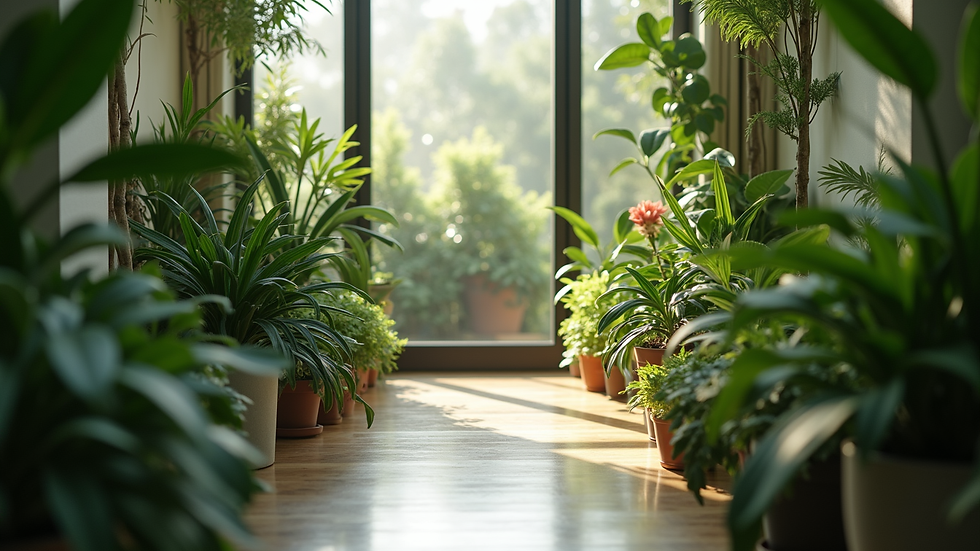
Air Quality: Good indoor air quality is essential for respiratory health. Incorporating plants, using air purifiers, and ensuring proper ventilation can significantly improve air quality.
Natural Light: Exposure to natural light has been linked to improved mood and productivity. Designing spaces with large windows or skylights can enhance the amount of sunlight entering your home.
Ergonomic Design: Furniture and layouts that promote good posture and comfort can prevent physical strain and injuries. Consider adjustable furniture and open layouts that encourage movement.
Mental Well-Being
Calming Colors: The colors used in a space can affect mood. Soft, neutral tones can create a calming atmosphere, while brighter colors can energize a room.
Quiet Spaces: Designating areas for relaxation and mindfulness, such as reading nooks or meditation corners, can help reduce stress and promote mental clarity.
Connection to Nature: Biophilic design, which incorporates natural elements into the built environment, has been shown to reduce stress and enhance well-being. This can be achieved through indoor gardens, water features, or natural materials.
Emotional Balance
Personalization: Spaces that reflect personal style and preferences can foster a sense of belonging and comfort. Incorporating meaningful decor and personal items can enhance emotional well-being.
Community Spaces: For residential developments, creating communal areas can encourage social interaction and support networks, which are vital for emotional health.
Flexibility: Designing spaces that can adapt to changing needs—such as a home office that can transform into a guest room—can help residents feel more in control of their environment.
Innovative Design Strategies
To create wellness-oriented residential spaces, innovative design strategies can be employed. Here are some examples:
Open Floor Plans
Open floor plans promote flow and connectivity between spaces, allowing for better interaction and movement. This design can enhance socialization and create a more inviting atmosphere. For instance, a kitchen that opens into a living area encourages family gatherings and shared meals, fostering emotional connections.
Sustainable Materials
Using sustainable materials not only benefits the environment but also contributes to healthier living spaces. Non-toxic paints, natural flooring, and recycled materials can reduce harmful emissions and create a safer home. For example, bamboo flooring is a sustainable choice that is both durable and aesthetically pleasing.
Smart Home Technology
Integrating smart home technology can enhance wellness by providing convenience and control. Smart thermostats, lighting systems, and air quality monitors allow residents to create their ideal living environment. For instance, a smart lighting system can adjust brightness based on the time of day, promoting better sleep patterns.
Outdoor Living Spaces
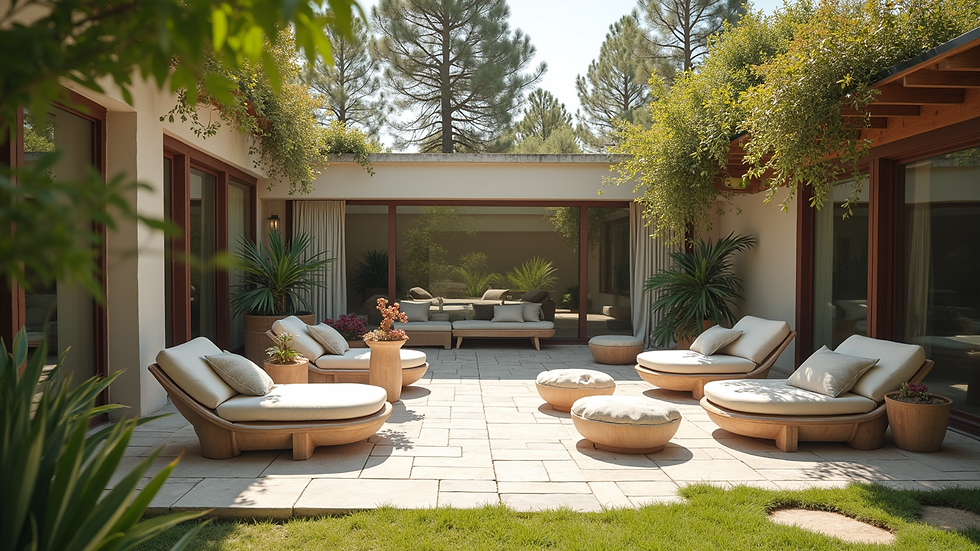
Creating outdoor living areas can extend the usable space of a home while promoting physical activity and relaxation. Patios, decks, and gardens can serve as places for exercise, socializing, or simply enjoying nature. Incorporating features like outdoor kitchens or fire pits can enhance the appeal of these spaces.
Case Studies of Successful Wellness Developments
The Well Building Standard
The Well Building Standard is a performance-based system for measuring, certifying, and monitoring features of the built environment that impact human health and well-being. This standard focuses on various aspects, including air, water, nourishment, light, fitness, and mind. Residential developments that adhere to this standard often see increased resident satisfaction and improved health outcomes.
The Edge in Amsterdam
The Edge, a residential and office building in Amsterdam, is designed with wellness in mind. It features extensive green spaces, natural light, and smart technology that monitors environmental conditions. Residents benefit from a healthy living environment that promotes both physical and mental well-being.
The High Line in New York City
The High Line is an elevated linear park built on a former railway line in New York City. It incorporates green spaces, art installations, and areas for social interaction. This project has transformed the surrounding residential areas, promoting wellness through access to nature and community engagement.
Practical Tips for Implementing Wellness in Your Home
Creating a wellness-oriented home doesn't have to be overwhelming. Here are some practical tips to get started:
Start Small
Begin by making small changes that can have a big impact. Consider adding plants to your living space, decluttering areas that feel chaotic, or incorporating calming colors into your decor.
Create a Wellness Routine
Establishing a daily routine that includes physical activity, mindfulness practices, and healthy eating can significantly improve your overall well-being. Designate specific areas in your home for these activities, such as a yoga corner or a meal prep station.
Invest in Quality
When it comes to furniture and decor, prioritize quality over quantity. Investing in durable, sustainable items can enhance your living space and contribute to a healthier environment.
Seek Professional Guidance
If you're unsure where to start, consider consulting with a wellness-focused interior designer or architect. They can provide valuable insights and help you create a space that aligns with your wellness goals.
The Future of Wellness in Residential Development
As awareness of the importance of wellness continues to grow, the future of residential development will likely see even more innovative approaches. Here are some trends to watch:
Integration of Technology
The integration of technology in residential spaces will continue to evolve, with advancements in smart home systems and health monitoring devices. These technologies will provide residents with more control over their living environments, enhancing their overall well-being.
Focus on Community
Developers will increasingly recognize the value of community spaces that foster social interaction and support networks. Creating environments that encourage connection will be essential for promoting emotional well-being.
Emphasis on Sustainability
Sustainable building practices will become more prevalent as homeowners and developers prioritize environmental responsibility. This shift will lead to healthier living spaces that benefit both residents and the planet.
Conclusion
Innovative wellness development in residential spaces is not just a trend; it is a necessary evolution in how we design our homes. By prioritizing physical health, mental well-being, and emotional balance, we can create environments that support a healthier, happier lifestyle. Whether you're a homeowner looking to enhance your living space or a developer aiming to create wellness-oriented communities, the principles outlined in this post can guide you toward achieving your goals.
Take the first step today by assessing your living environment and considering how you can incorporate wellness principles into your home. Your well-being is worth it.

Comments